
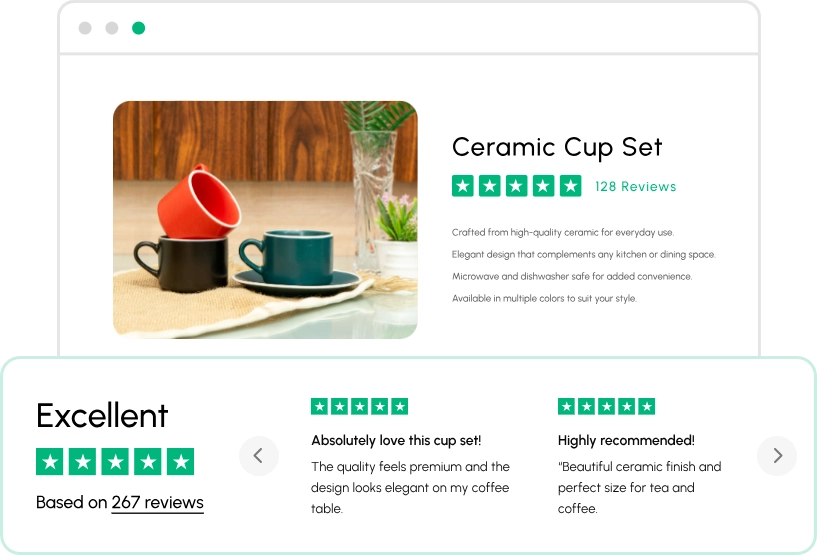
A customer researching a company today is likely to check its online reviews before making a purchase. Whether choosing a software provider, hiring a digital marketing agency, or ordering a product, people want to know how other customers have experienced the business. Online reviews have become an important part of the decision-making process.
This shift has made digital reputation management a priority for businesses of all sizes. A company’s website and advertising may explain what it offers, but customer feedback provides another perspective that potential buyers often consider more carefully.
Research supports this trend. According to BrightLocal’s 2026 Local Consumer Review Survey, 85% of consumers say positive reviews make them more likely to use a business, while 77% say negative reviews make them less likely to choose one. These figures highlight how strongly customer opinions can influence purchasing decisions.
Among the platforms contributing to this environment, Trustpilot has become a recognised destination for consumers looking to evaluate businesses through customer experiences.
How Trustpilot Reviews Influence Consumer Decisions
Trustpilot reviews give potential customers access to feedback from people who have interacted with a business. Instead of relying entirely on marketing messages, buyers can examine different experiences before deciding whether a company deserves their confidence.
Several factors make these reviews valuable:
- Social proof: Positive customer experiences can reassure people who are unfamiliar with a brand.
- Purchase confidence: Detailed feedback helps customers understand product quality, service standards, and customer support.
- Business transparency: A profile containing both positive and negative experiences can offer a more realistic picture of a company.
- Customer expectations: Reviews help potential buyers understand what they can expect before making a commitment.
For example, someone comparing two software companies may look beyond their pricing pages. They might examine customer comments about onboarding, technical support, billing, and product reliability. These details can influence the final decision.
Trustpilot also allows businesses to respond publicly, giving companies an opportunity to address concerns and explain how they handle customer problems.
The Connection Between Reviews and Digital Reputation Management
Digital reputation management involves monitoring, maintaining, and improving how a business is perceived online. Customer reviews are an important part of this process because they influence what people see when researching a brand.
A company’s reputation is built across several online channels, including search results, social media, business directories, and independent review platforms.
Trustpilot contributes to this picture by providing a dedicated space for customer experiences. An active profile with recent feedback and thoughtful business responses can help potential customers understand how a company treats its clients.
Reviews can also contribute indirectly to search visibility. Brand searches may display review profiles, ratings, and related information. However, businesses should not assume that collecting more reviews automatically improves organic rankings. Search performance depends on several factors, including relevance, website quality, technical health, and authority.
The more useful objective is to create consistent and trustworthy information about the brand wherever potential customers look.
Why Businesses Explore Options to Buy Trustpilot Reviews
Building an online reputation takes time. New businesses often face a particular challenge: they may provide good services but have limited customer feedback because they are still developing their customer base.
As a result, some companies explore different ways to strengthen their review presence, including searching for services using terms such as buy Trustpilot reviews.
Before considering any review-related service, businesses should understand the difference between reputation management support and purchasing fabricated customer opinions.
Services that help companies organise review invitations, monitor feedback, and manage their online presence can support a legitimate reputation strategy. However, purchasing fabricated positive reviews from people who have never used the business creates a misleading impression.
The distinction matters because reviews are intended to represent genuine customer experiences. A business that prioritises artificial ratings may attract short-term attention but risks damaging the credibility it is trying to establish.
Companies should evaluate review service providers carefully, checking their methods, transparency, and compliance with platform policies.
The Importance of Authenticity and Trust in Online Reviews
Authenticity is central to the value of any review platform. If customers begin questioning whether reviews represent real experiences, the credibility of the entire profile becomes weaker.
Trustpilot’s September 2026 business guidelines prohibit fake reviews and incentivised feedback. Businesses must use fair and neutral invitation methods, avoid selectively inviting only satisfied customers, and refrain from offering discounts or rewards in exchange for reviews.
Regulatory developments have also increased the importance of responsible review practices.
In the United States, the Federal Trade Commission’s Consumer Reviews and Testimonials Rule came into effect on October 21, 2024. It prohibits practices including buying or selling fake reviews, purchasing reviews expressing a particular positive or negative sentiment, and certain forms of review suppression. Violations can expose businesses to regulatory enforcement and civil penalties.
Businesses should therefore avoid practices such as:
- Publishing reviews from people without genuine customer experiences.
- Offering rewards in exchange for positive ratings.
- Asking employees or relatives to create misleading customer feedback.
- Pressuring customers to remove negative comments.
- Hiding legitimate criticism to create an artificially positive reputation.
A balanced review profile is often more credible than one containing nothing but five-star ratings.
How Businesses Can Build a Strong Trustpilot Profile
A sustainable review strategy starts with understanding the customer experience. Businesses should make feedback collection a regular part of their operations rather than treating it as a one-time marketing activity.
The following practices can help:
1. Request feedback at the right time
Send review invitations after a genuine customer interaction, such as a completed purchase, project delivery, or resolved support request. Keep the invitation neutral and give customers the freedom to share their honest opinions.
2. Make the process convenient
Customers are more likely to provide feedback when the process is straightforward. A direct review link and a short, clear invitation can remove unnecessary steps.
3. Respond to positive and negative feedback
Thank customers for positive comments. When someone raises a concern, acknowledge the issue and explain the steps being taken to resolve it. Avoid defensive or argumentative replies.
4. Identify recurring problems
Reviews can reveal operational issues that businesses may overlook. Repeated complaints about delivery delays, communication, or technical support can help management identify areas that need improvement.
5. Monitor reputation acrobss platforms
Trustpilot should form part of a broader reputation strategy. Businesses should also monitor Google reviews, social media mentions, industry directories, and other relevant customer feedback channels.
The Role of Review Management Services in Reputation Growth
Managing customer feedback across multiple platforms can become time-consuming, particularly for businesses handling a growing customer base. Review management services can help organise this process and provide businesses with a clearer understanding of their online reputation.
Companies such as GetReviews.buzz offer online review and reputation-related services for businesses looking to strengthen their digital presence. For companies exploring options to buy Google reviews, it is important to understand the difference between review management support and purchasing fabricated feedback. Businesses should evaluate service providers based on transparency, ethical practices, and compliance with Google’s review policies.
A reliable approach should focus on building a credible review presence rather than promising unrealistic ratings or guaranteed outcomes. Genuine customer feedback remains essential for maintaining long-term trust.
For marketing teams, reputation management also creates an opportunity to connect customer feedback with other activities, including customer relationship management, brand monitoring, and customer experience improvement.
The objective should be to make genuine customer feedback easier to collect, understand, and act upon.
Conclusion: Building Long-Term Brand Trust Through Customer Feedback
Trustpilot reviews have become an important consideration in modern digital reputation management. They help customers compare businesses, evaluate service quality, and make more informed purchasing decisions.
For companies, the challenge is to maintain a credible online presence while responding to customer expectations. Artificial ratings and misleading review practices may appear attractive to businesses looking for quick results, but they can undermine customer confidence and create compliance risks.
A stronger approach combines consistent feedback collection, transparent communication, professional responses, and genuine improvements to customer service.
Ultimately, a company’s reputation is shaped by the experiences it delivers. Trustpilot and other review platforms provide a public space for those experiences to be shared. Businesses that listen to their customers and act on their feedback are better positioned to build lasting credibility.
