
Introduction
Tin Swe Thant is best known as Alex Wagner’s mother, but her own life has a remarkable story shaped by Burma, migration, education, politics and family. Born near Rangoon, now Yangon, she grew up during a period when the effects of British colonial rule were still visible in Burmese society. Political changes later pushed her family towards a new life in the United States, where she studied at Swarthmore College and eventually established herself professionally in Washington, D.C.
Her marriage to political strategist Carl Wagner connected her life with American political circles, while their daughter, Alex Wagner, later became a nationally recognised journalist and television presenter. Interest in Tin Swe Thant has grown through Alex’s writing about identity and ancestry, particularly in Futureface. Although some details about Tin’s private life remain limited, her documented story provides a fascinating picture of a Burmese-American woman whose influence can be seen across several generations.
Quick Bio of Tin Swe Thant
| Detail | Information |
|---|---|
| Full Name | Tin Swe Thant |
| Known For | Mother of journalist Alex Wagner |
| Birthplace | Near Rangoon, Burma, now Yangon, Myanmar |
| Nationality | Burmese-American |
| Religion / Background | Buddhist family background |
| Education | Swarthmore College |
| Field of Study | Political Science |
| Profession | Fundraising and organisational development work |
| Former Husband | Carl Wagner |
| Carl Wagner’s Profession | Democratic political strategist |
| Children | One daughter |
| Daughter | Alex Wagner |
| Grandchildren | Alex Wagner’s two sons |
| Mother | Daw Mya Mya Thant Gyi |
| Father | U Thant Gyi |
| Age | Exact age not publicly verified |
| Known as a Child | Maureen Thant Gyi at an English school |
| Current Life | Largely private and retired |
| Related to U Thant? | No reliable evidence confirms a close family relationship |
Who Is Tin Swe Thant?
Tin Swe Thant is a Burmese-born American woman who became widely known through her daughter, journalist Alex Wagner. She was born near Rangoon in Burma, now Myanmar, and spent her childhood in a country experiencing major political and social change. Her parents were U Thant Gyi and Daw Mya Mya Thant Gyi, and she grew up as part of a larger family that included several siblings.
Tin did not build a celebrity career of her own, which explains why detailed information about her is less widely available than information about Alex Wagner. Much of her story has come from Alex’s personal writing and family research. These accounts reveal a woman who experienced migration, cultural change and political awareness from an early age before creating a new life in America.
Tin Swe Thant’s Early Life and Burmese Background
Tin Swe Thant grew up during the final years of British influence in Burma. One of the most memorable stories from her childhood involved her name. When she attended an English school, her father was asked to provide her with a Western name. He chose Maureen, inspired by actress Maureen O’Hara. For part of her school life, Tin was therefore known as Maureen Thant Gyi.
That experience later became important in Alex Wagner’s reflections on identity. A Burmese child had effectively been given a Western name because her own did not fit the expectations of a colonial-style school. When Tin later attended college in America, however, she used her real Burmese name, Tin Swe Thant. This contrast became symbolic of the larger questions about culture, belonging and assimilation that Alex would later explore.
Tin Swe Thant at Swarthmore College
The connection between Tin Swe Thant and Swarthmore College is one of the strongest documented parts of her American story. After moving to the United States in the 1960s, she enrolled at Swarthmore College in Pennsylvania and studied political science. Her years there coincided with an important period of American history marked by civil rights activism, opposition to the Vietnam War and growing student involvement in political causes.
Tin became deeply interested in the political atmosphere of the time. Alex Wagner later described her mother as embracing Marxist ideas during her student years and adopting the countercultural style associated with the period. After college, Tin spent time in Philadelphia, where she lived in a commune and became involved with a socialist publication. These experiences show that her Swarthmore years were not simply about gaining a degree; they were a period in which she developed a strong political and intellectual identity.
Carl Wagner and Tin Swe Thant
The relationship between Carl Wagner and Tin Swe Thant began after Tin returned to Washington, D.C. She had worked with the Teamsters union and later attended an interview connected with the Alliance for Labor Action. Carl Wagner was involved in that interview. According to Alex Wagner’s account, Tin did not immediately like him, but their relationship eventually developed and they later married.
Carl Wagner became a respected Democratic political strategist whose career included work with George McGovern, Edward Kennedy and Bill Clinton. He was deeply involved in American electoral politics, while Tin brought her own experience of Burma, migration and political awareness into the family. Their marriage brought together two very different backgrounds and helped create the culturally diverse household in which Alex Wagner was raised.
Alex Wagner’s Parents, Children and Family Life
Alex Wagner’s parents, Tin Swe Thant and Carl Wagner, had one daughter, Alexandra Swe Wagner, who was born in Washington, D.C., in November 1977. Alex inherited Burmese heritage from her mother and European-American ancestry from her father. Tin came from a Buddhist background, while Carl was associated with Catholicism, adding another layer of cultural difference within the family.
Alex later became a successful journalist, author and television presenter. Her family history influenced much of her thinking about identity and belonging. Tin’s Burmese heritage also continued into the next generation. Alex gave her sons Burmese middle names, and Tin helped choose the name Thiha for one of her grandsons. The decision carried special meaning because Tin herself had once been given a Western name at school. Decades later, she was actively helping preserve Burmese identity within her own family.
Tin Swe Thant’s Career, Private Life and Pictures
Tin Swe Thant developed her own professional career in the United States. A Washington newspaper feature from the 1990s described her as working in fundraising for an international organisation connected with science museums. Her career shows that she had an independent professional identity rather than being known only as Carl Wagner’s wife or Alex Wagner’s mother.
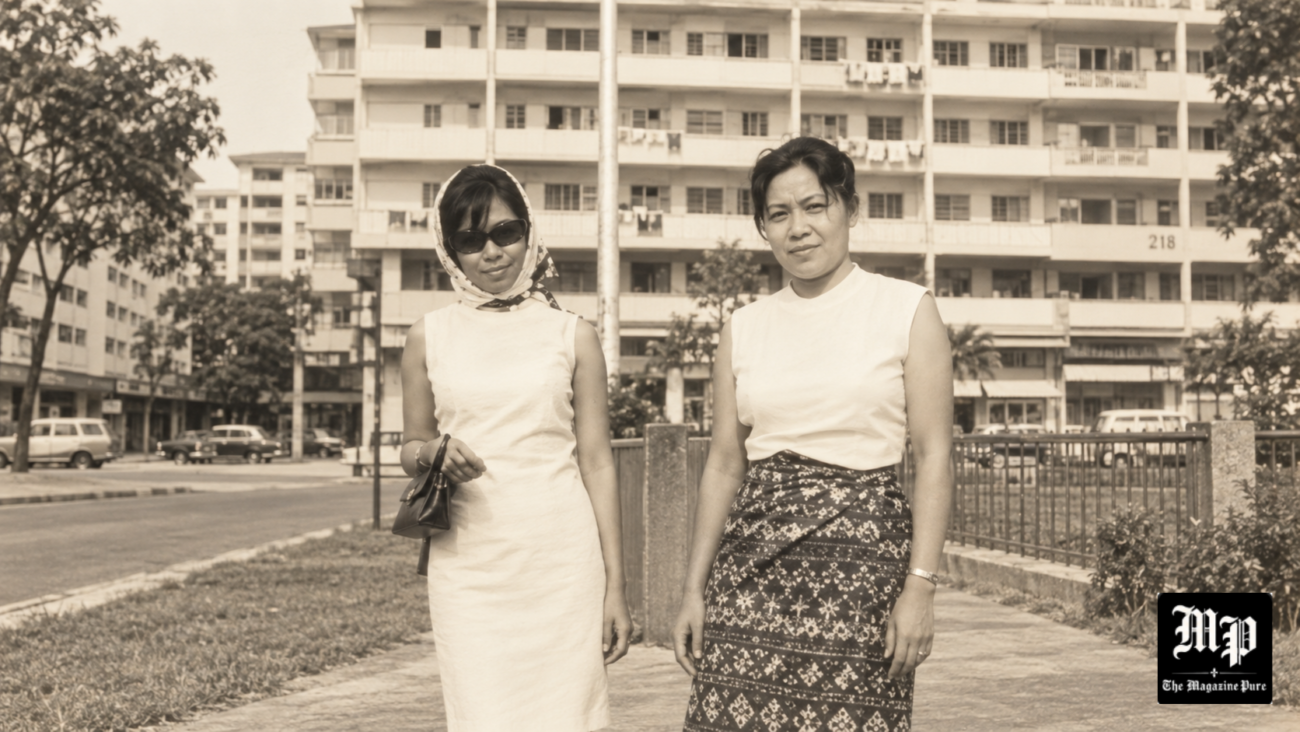
Authentic Tin Swe Thant pictures are relatively limited because she has never lived as a public celebrity. Some dependable family photographs have appeared alongside Alex Wagner’s essays and interviews, including images credited directly to Alex. These are more reliable than unverified photographs circulated on smaller biography websites. The limited number of public pictures reflects Tin’s long-standing preference for a quieter and more private life.
Alex Wagner and Tin Swe Thant’s Influence on Futureface
The relationship between Alex Wagner and Tin Swe Thant became especially important when Alex wrote Futureface, a book about ancestry, identity and belonging. Alex examined both her Burmese and European-American family roots and tried to understand how much of a person’s identity comes from ancestry, family stories and cultural experience.
Tin’s memories of Burma became a major part of that journey. She remembered childhood traditions, school life, monsoon rains and family experiences, but Alex wanted to understand the historical events behind those memories as well. This led her to examine colonialism, military rule, migration and assimilation. Tin’s life therefore became central to a wider conversation about how immigrant families preserve parts of their heritage while adapting to a new country.
Is Tin Swe Thant Related to U Thant?
A common question is whether Tin Swe Thant is related to U Thant, the Burmese diplomat who served as Secretary-General of the United Nations from 1961 to 1971. No dependable evidence currently confirms that she was a close relative of the famous diplomat. The confusion is understandable because Tin’s father was named U Thant Gyi.
Burmese naming traditions differ from Western surname systems. “U” is an honorific rather than a family surname, and having “Thant” within a name does not automatically indicate a family relationship. Tin’s father, U Thant Gyi, was a different person from former UN Secretary-General U Thant. Without reliable genealogical evidence, it would be inaccurate to describe the two families as directly related.
Tin Swe Thant’s Age and Life Today
Tin Swe Thant’s exact date of birth has not been confirmed in strong public records. Alex Wagner described her mother as being in her seventies in 2021, which provides a general indication of her generation but not enough information to calculate an exact current age. Websites that provide a specific birth year without reliable documentation should therefore be treated cautiously.
By 2021, Tin was described as retired and living a quieter life on Long Island. Alex also revealed that her mother remained interested in social and political issues even in retirement. Tin had expressed interest in attending a Black Lives Matter demonstration, showing that the political awareness she developed during her student years had continued into later life. More recent details about her daily routine and residence remain private.
Conclusion
Tin Swe Thant’s life is a powerful story of migration, cultural change and family identity. Born near Rangoon, she grew up in Burma during a period of colonial influence and political uncertainty. She later moved to the United States, studied political science at Swarthmore College and became involved in the political and cultural movements of her generation before establishing a professional life in Washington.
Her marriage to Carl Wagner connected her with American political life, while their daughter Alex Wagner became a nationally recognised journalist and author. Tin’s experiences later became an important part of Alex’s exploration of ancestry in Futureface. Although her exact age remains private and there is no reliable evidence proving that she is related to former UN Secretary-General U Thant, the confirmed facts about her life are already compelling. Tin Swe Thant represents a bridge between Burma and America, between one generation and the next, and between an identity once pressured to adapt and a cultural heritage later proudly passed on.
