
Introduction
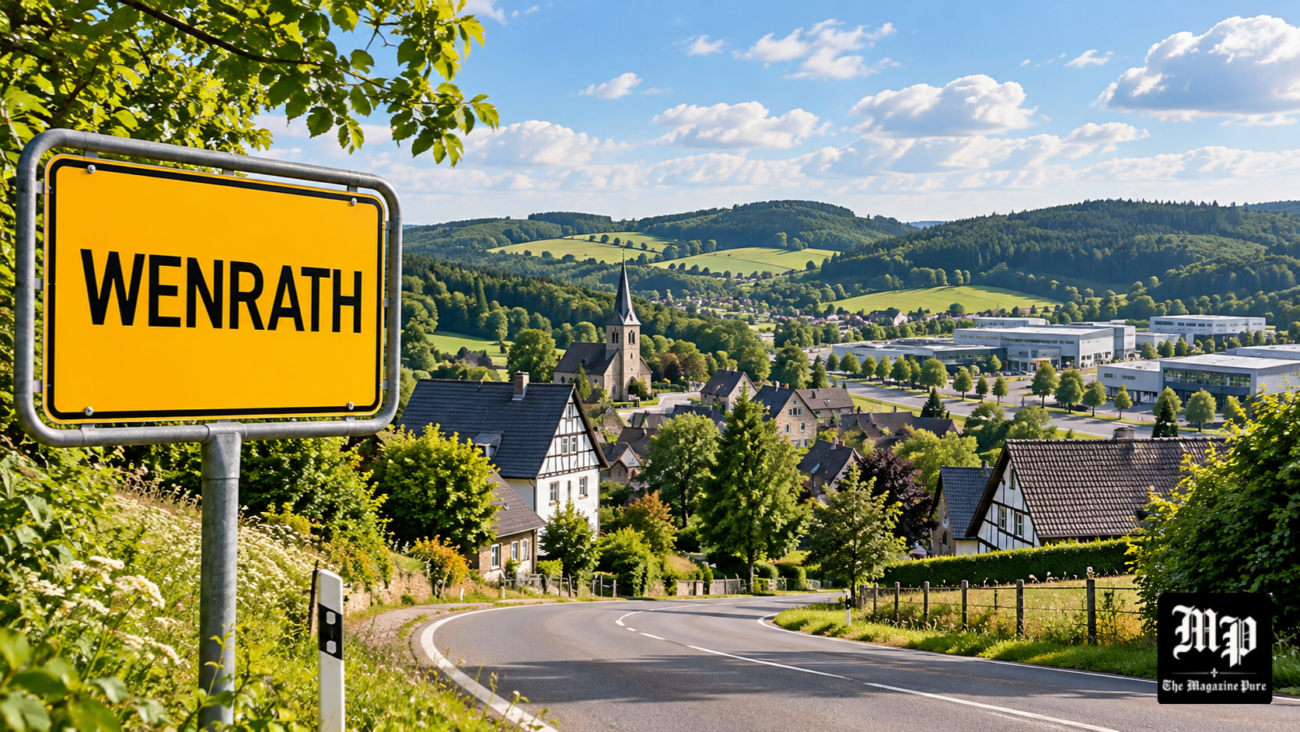
Wenrath is an uncommon name connected with a small locality in Germany that has an interesting history, peaceful surroundings, and growing industrial importance. The name is closely associated with Wehnrath, a village in the municipality of Reichshof, North Rhine-Westphalia. Although the area is relatively small, it has gained recognition because of its commercial development, established businesses, and connections with international companies.
Over the years, Wenrath has appeared in historical documents, government publications, and regional news reports. Its connection with German industry, local communities, and natural landscapes makes it an interesting subject. Understanding its background reveals how a small German settlement became part of a wider economic region while maintaining its rural character.
What Is Wenrath and Where Does the Name Come From?
Wenrath is a relatively uncommon name most clearly associated with Wehnrath, a small settlement in western Germany. The name does not have a widely accepted English meaning, and its exact linguistic origin remains uncertain. However, its connection with German geographical records provides useful information about its identity. The spelling Wenrath appeared in a 2012 publication by the German Bundestag, which discussed a political visit to the bicycle tire company Schwalbe in Reichshof. This confirms that the name has appeared in an official publication.
The name is also sometimes written as Wehnrath, which is the spelling used in modern municipal documents, company addresses, and geographical information. Both versions have appeared in publications discussing the same area. Although German settlement names often reflect historical landscapes or local traditions, there is insufficient evidence to establish the original meaning of Wenrath. Today, its strongest documented connection is with a German community known for its residential surroundings and industrial activity.
Wenrath Location and Geographical Background
Wenrath is associated with Wehnrath, a locality belonging to the municipality of Reichshof in North Rhine-Westphalia, Germany. Reichshof is situated in the Oberbergisches Land region, which is recognized for its green hills, forests, open countryside, and quiet residential communities. The municipality covers approximately 114 square kilometers and contains numerous smaller settlements. According to official population figures, Wehnrath had 286 residents at the end of 2024, making it a relatively small community compared with nearby towns and cities.
Despite its small population, Wehnrath benefits from its location near important regional transport routes. The surrounding municipality has connections to the A4 motorway, which supports travel and commercial transportation. The area combines natural beauty with industrial infrastructure, creating a setting where residential life and economic activity exist close together. This balance is one of its most interesting features. Residents can experience the quieter atmosphere of a rural community while nearby businesses connect the locality with larger German and international markets.
History and Development of Wenrath
The history of Wenrath is closely connected with the growth of Reichshof and the development of its commercial areas. For many years, the surrounding region was characterized by small settlements, agricultural landscapes, and wooded hills. During the late twentieth century, local authorities began introducing plans to strengthen industrial and business activity. According to Reichshof’s historical records, development of the Wehnrath commercial district began in 1987. This marked an important change as the area gradually became a location for manufacturing companies and other commercial enterprises.
The industrial district developed through several planning stages during the following decades. Municipal records identify early development plans from 1990 and 1992, followed by further expansion in later years. Over time, the commercial area grew to approximately 60 hectares across five planning sections. Cooperation between Reichshof and neighboring Bergneustadt also supported the development of the Wehnrath-Sinspert business park. These improvements helped attract companies, create employment opportunities, and strengthen the local economy. The history of the area demonstrates how careful planning can transform a small rural location into an established business center.
Schwalbe and Its Connection With Wenrath
One of the most important companies associated with Wenrath is Schwalbe, an internationally recognized bicycle tire brand operated by Ralf Bohle GmbH. The company has its headquarters at Otto-Hahn-Straße 1 in Reichshof-Wehnrath. Schwalbe produces and markets bicycle tires, inner tubes, and related cycling products for different riding conditions. Its international reputation has helped bring recognition to the locality. Although many customers are familiar with Schwalbe products, relatively few know that the company’s German headquarters are located in this small community.
Schwalbe completed its headquarters in Wehnrath in 1995, representing an important stage in the company’s growth. According to company information, its annual sales increased from approximately €30 million when the headquarters opened to €225 million in 2020. The workforce at the location also expanded during that period. The company later invested in modern office facilities and sustainability projects. Its developments include environmentally conscious building designs and bicycle tires incorporating recycled materials. Schwalbe’s presence highlights how a small German locality can become connected with a successful international brand.
Businesses, Employment, and Economic Importance
Wenrath’s economic importance extends beyond Schwalbe. The Wehnrath commercial district contains businesses involved in manufacturing, engineering, industrial products, and professional services. One company connected with the area is Bühler, an international technology and engineering organization that has offered technical and commercial training opportunities at its Reichshof-Wehnrath location. Münker Metallprofile GmbH, associated with metal products and construction materials, is another example of industrial activity in the district. Together, these businesses contribute to the area’s economic diversity.
The commercial district also supports employment opportunities for people living in Reichshof and surrounding communities. Manufacturing businesses require employees with technical skills, while logistics and service companies create additional professional roles. MED LaborUnion GmbH, a medical laboratory business located in Wehnrath, shows that the area is not limited to traditional industrial manufacturing. Such companies help create demand for transportation, training, and local services. However, employment conditions can change as businesses expand or restructure. Maintaining a diverse range of companies is therefore important for the long-term stability of the local economy.
Transportation and Infrastructure Around Wenrath
Transportation has played a major role in the development of Wenrath’s commercial district. The nearby A4 motorway provides an important connection between Reichshof and other parts of Germany. This road network allows companies to transport products, receive materials, and maintain connections with customers and suppliers. Reliable roads are particularly important for industrial operations because businesses often depend on regular deliveries and employee commuting. The area’s transport connections have therefore contributed to its attractiveness as a location for commercial investment.
Public transportation is another important consideration, particularly for people who do not have access to private vehicles. In June 2026, German broadcaster WDR reported discussions about extending the Monti on-demand transport service to additional locations, including Hunsheim and Wenrath. Monti is designed to offer flexible transport in areas where conventional bus services may be limited. The proposed expansion was intended to improve connections for local workers and residents. Although the report discussed a possible extension rather than a completed permanent service, it demonstrated the importance of accessible transportation for smaller industrial communities.
Nature, Cycling, and Environmental Activities
The surrounding Reichshof region offers a natural environment characterized by forests, hills, and open landscapes. These features make the area attractive for outdoor recreation, particularly walking and cycling. The region’s connection with Schwalbe has also supported the development of cycling activities. The Schwalbe Fahrradpark Reichshof was created through cooperation involving the municipality and Ralf Bohle GmbH. Its cycling routes explore different parts of the region, including areas around Denklingen, Eckenhagen, and Wildbergerhütte, providing opportunities for residents and visitors to experience the countryside.
Environmental responsibility has become another important part of the region’s development. In December 2023, Schwalbe announced a reforestation initiative near its Reichshof-Wehnrath headquarters. The project involved restoring approximately one hectare of forest affected by drought and bark beetles. Working with environmental partners, the company supported planting different tree species to encourage a healthier woodland environment. These efforts reflect wider concerns about climate change and forest protection in Germany. They also show how industrial companies can participate in environmental projects that benefit the landscapes surrounding their business locations.
Wenrath in 2026: Recent News and Developments
Several developments during 2026 brought renewed attention to the Wehnrath industrial area. One particularly interesting project involved MED LaborUnion and the testing of medical drone transportation. In April 2026, WDR reported that a drone operated by Morpheus completed a test flight at the laboratory company’s location. The project explored the possibility of transporting medical samples between Bergisch Gladbach-Hebborn and Reichshof more efficiently. The test focused on important operational procedures, including takeoff and landing, and represented an early stage in examining the technology.
Another significant development involved Avery Dennison Smartrac. In March 2026, regional reporting stated that the company planned to close its Reichshof-Wehnrath facility, potentially affecting approximately 55 employees. Discussions with employee representatives were reported as part of the proposed restructuring. The situation demonstrated the challenges that industrial communities may face when businesses change their operations. Alongside proposed transport improvements and emerging medical logistics technology, these developments showed both the opportunities and uncertainties associated with the area’s economy. Wenrath remains connected with regional discussions about employment, innovation, infrastructure, and business development.
Conclusion
Wenrath is an uncommon name with a clear geographical connection to Wehnrath, a small locality in Reichshof, Germany. Although its original linguistic meaning remains uncertain, its history and development are closely linked to the growth of the municipality’s commercial district. The area combines peaceful residential surroundings with important industrial operations, including the headquarters of the internationally recognized bicycle tire brand Schwalbe.
From its commercial expansion during the late twentieth century to recent developments in transportation, medical technology, and environmental projects, Wenrath has become an interesting example of a small community connected with modern economic activity. Its relationship with local businesses, natural landscapes, and regional infrastructure continues to shape its identity. Understanding Wenrath provides insight into how smaller German localities contribute to industry while preserving connections with their surrounding communities.
