
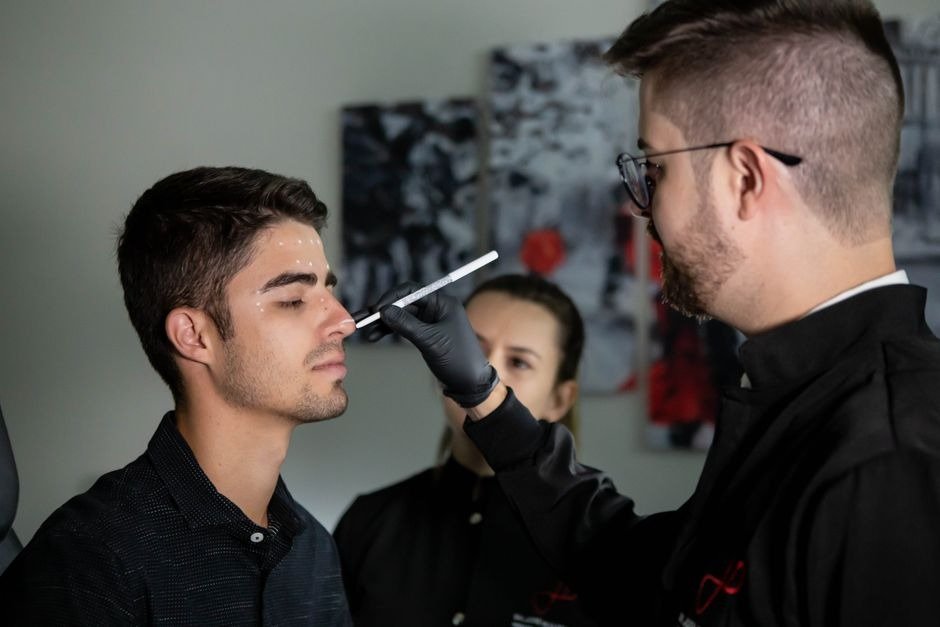
Thinking about changing a facial feature is not simply a beauty decision. In Oklahoma City, people considering facial plastic surgery should look beyond online trends and promotional promises to understand their options, the surgeon’s qualifications, and the realities of recovery. Facial surgery involves medical considerations as well as personal preferences, making informed decisions essential.
Choose Balance Over Trends
You live with your face every day, so a change can carry more weight than a haircut, makeup routine, or skincare product. A more thoughtful approach focuses on facial harmony instead of copying a look. Surgeons assess proportion, projection, skin quality, and structural support rather than treating each feature in isolation. With rhinoplasty, for example, the question is not simply whether a nose can be made smaller. It is whether a proposed shape suits the person’s overall features and preserves healthy function.
A Consultation Should Feel Like a Medical Conversation
A good consultation is an evaluation, not a sales pitch. You should leave understanding which options may fit your goals, what alternatives exist, what recovery involves, and where your expectations may need adjusting. The surgeon should explain the relevant anatomy in clear language and discuss likely outcomes, limitations, risks, and the possibility that the result may differ from your reference photos.
If you’re looking for expert guidance before undergoing facial plastic surgery Oklahoma City has options worth exploring. Take time to ask about potential risks, recovery requirements, and realistic outcomes before making your decision.
Recovery Is Part of the Decision
People often spend weeks studying possible results but give little attention to healing. Recovery affects work, sleep, exercise, social plans, and emotional well-being. Even when surgery goes as planned, swelling, bruising, temporary numbness, and unevenness can make the early stages feel unsettling.
The timeline varies by procedure and individual. Rhinoplasty swelling can change gradually over many months; eyelid surgery may temporarily affect how rested or expressive the face looks; and a facelift may involve incision care, head elevation, tightness, or numbness. Arrange help in advance if you may need transportation or assistance at home, and follow the surgical team’s specific instructions.
Function Matters as Much as Appearance
The face is not merely an image. It supports breathing, blinking, chewing, speaking, and expression. A surgical plan should consider function alongside appearance, especially for procedures involving the nose, eyelids, chin, or ears.
If you already have breathing difficulties, a discussion about rhinoplasty should address internal nasal structures as well as external shape. Heavy upper eyelids may involve skin excess, functional obstruction, or both. Chin procedures may require consideration of bite, soft tissue, and profile balance.
This is one reason medical evaluation matters more than an attractive before-and-after gallery. Surgery changes living tissue, and structural support, scarring, and healing all influence the result. Ask what the procedure can reasonably improve—and what it cannot.
Treat Reference Photos as Conversation Starters
Cartilage strength, skin thickness, age, asymmetry, and individual anatomy all affect what is possible. A surgeon may be able to move a result in a preferred direction, but cannot guarantee an exact replica. Be cautious if anyone promises identical results.
Before-and-after galleries also need context. Compare lighting, camera angle, facial expression, and the time elapsed after surgery. Early images may not show the settled result, while heavy editing can make changes look more dramatic than they are. Look for consistent, believable outcomes and ask to see examples relevant to your own procedure.
Understand the Full Cost
Price matters, but the headline quote may not show the complete expense. Ask whether it includes the surgeon, anesthesia, facility, medications, follow-up visits, and any required garments or supplies. Clarify the policy for additional treatment if complications occur or the outcome differs from expectations.
A trustworthy practice should explain costs clearly rather than hiding details in vague package language. Compare the overall plan, experience, safety arrangements, and follow-up—not price alone. A lower quote is not automatically a better value if important care is excluded or unclear.
Give Your Motivation Honest Attention
Wanting to refine a feature that has bothered you for years or address a change after an injury may provide a clear starting point. Expecting surgery to repair a relationship, guarantee social approval, or solve every concern about self-worth places too much pressure on one procedure. If your motivation feels driven by crisis or outside pressure, consider pausing and discussing those feelings with a qualified professional.
For a practical overview of questions to consider before choosing a cosmetic procedure, read this guide to deciding whether a procedure is right for you. It encourages people to consider their reasons, expectations, alternatives, and emotional circumstances before making a decision.
Choose Safety Over Speed
Before committing, verify the surgeon’s qualifications and experience with the procedure, understand where it will be performed, and ask how complications are managed. You should know who to contact after hours, what symptoms require urgent attention, and how follow-up care will work. Do not stop or change prescribed medication without instructions from your medical team.
The NHS also offers practical advice on choosing who will perform a cosmetic procedure, including questions about training, risks, aftercare, and costs. Use reliable guidance to prepare for a consultation, then discuss your personal circumstances with a qualified clinician.
Keep notes from consultations. If you feel confused, ask the clinician to explain the point another way. Bring a support person if that helps you remember details, but make sure the final choice reflects your own priorities and comfort level.
Ultimately, a good outcome begins long before the operating room. It starts with a stable reason for change, a qualified medical team, honest discussion, and realistic expectations about what surgery can deliver. Your face does not need to match a trend; any decision should serve your well-being, reflect your priorities, and leave room for the fact that no procedure can promise perfection.
