
Introduction
The internet is full of websites offering information, advice, and helpful guides. However, finding a website does not automatically mean you understand its purpose or know whether to trust it. One name that may catch your attention is Thealitekeepsafe.com. If you have come across this domain, you might wonder what it offers, who manages it, and whether it is safe to explore.
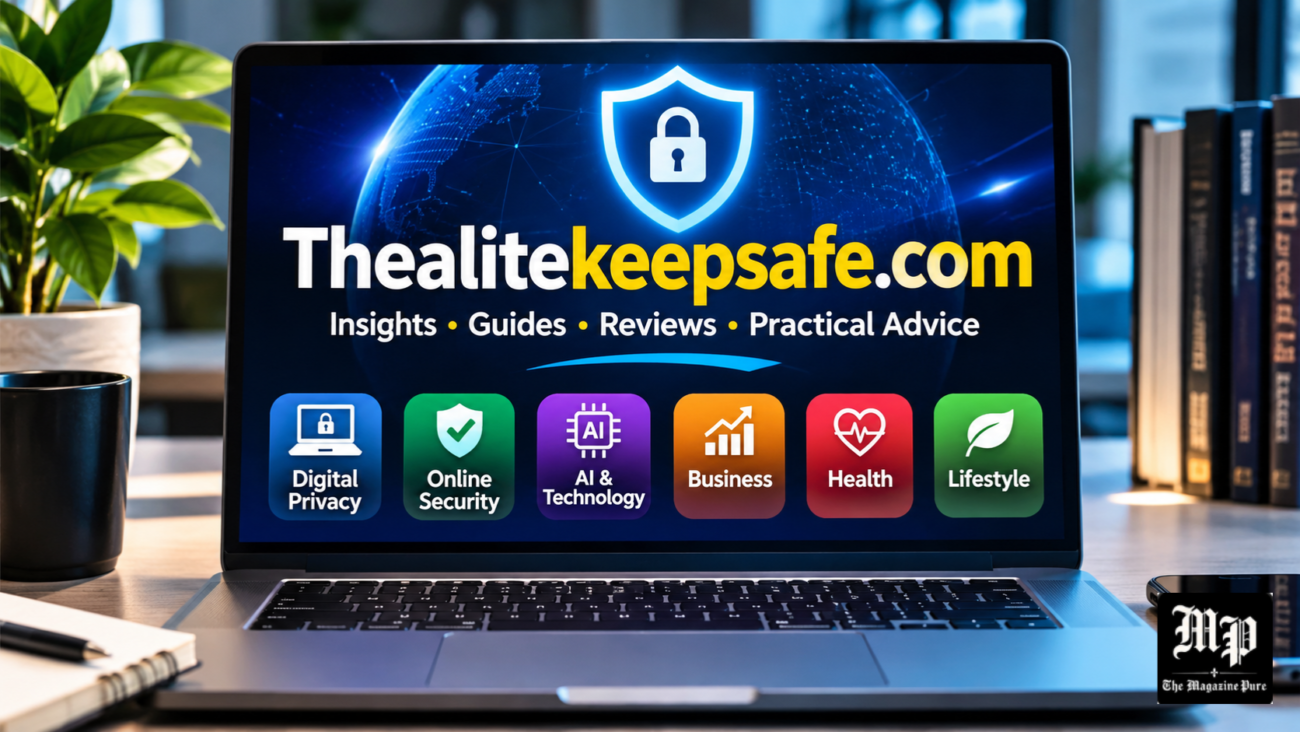
The website appears to be a general-interest informational blog covering subjects such as technology, online safety, business, and digital privacy. However, its ownership and publishing background are not fully clear. Understanding how the website works and what to look for can help you make better decisions.
This guide explains the site’s purpose, content categories, privacy considerations, and important safety checks. It also explores how readers can distinguish useful online information from misleading content.
What Is Thealitekeepsafe.com?
Thealitekeepsafe.com is an informational website that appears to publish articles about technology, online safety, business, and other general-interest topics. Rather than functioning as a dedicated security application, it is presented as a place where readers can explore different subjects and find practical explanations. Its name may suggest a strong connection with digital protection, but that does not mean every article focuses on cybersecurity. Understanding this distinction is important for visitors who arrive expecting a particular service or downloadable application.
People often discover unfamiliar websites through search engines, shared links, or recommendations from friends. When someone searches for Thealitekeepsafe.com, they may simply want to understand what the domain represents. A useful starting point is to examine its homepage, available content categories, and article titles. These elements reveal the website’s general direction. Readers should also look at whether articles explain their subjects clearly, provide practical examples, and offer information that can be checked independently.
Is Thealitekeepsafe.com Safe to Visit?
The safety of Thealitekeepsafe.com cannot be determined from its domain name alone. A sensible approach is to examine how the website behaves, whether the connection is protected, and what information it requests from visitors. Simply reading an article is different from creating an account, downloading software, or entering payment details. Each activity carries a different level of risk. For casual browsing, start by checking that the address is correct and that your browser does not display security warnings.
One useful indicator is HTTPS encryption, which helps protect information exchanged between a visitor and a website. However, an SSL certificate does not guarantee that published articles are accurate or that a business is trustworthy. Google Safe Browsing warnings, unexpected redirects, aggressive pop-ups, and suspicious download requests deserve attention. A practical website safety review should consider several signals together. If a page asks you to install unfamiliar software or provide sensitive details without a clear reason, avoid proceeding until you understand its purpose.
Who Owns Thealitekeepsafe.com?
There is no dependable owner name to state here, so the website’s exact ownership remains unclear. Readers who want to know who runs it should begin with its About Us and Contact pages. These sections may explain the purpose of the publication, identify its editorial team, or provide business information. A domain registration lookup can sometimes reveal additional administrative details. However, many website operators use privacy services that prevent their personal information from appearing in public registration records.
Ownership is only one part of understanding a publication. Readers should also consider who writes its articles and whether individual authors have relevant knowledge. For example, a technical article about password security is more useful when its recommendations are accurate, clearly explained, and supported by sensible examples. Author transparency can help readers judge whether a website deserves their attention. An identifiable editorial team, clear contact options, and consistent publishing standards are positive signs, although none guarantees the quality of every article.
The Alite Keep Safe Website: Content and Categories
The Alite Keep Safe website appears to cover several subjects rather than concentrating on one narrow topic. Technology and online safety are particularly relevant because many internet users need simple explanations about digital risks. Articles in these areas may discuss account protection, suspicious messages, privacy settings, and everyday security habits. Such subjects are valuable when written for beginners because technical language often makes basic internet safety seem more complicated than it needs to be. Helpful content should explain not only what a problem means but also what readers can do about it.
Other general-interest subjects associated with the website include business and practical lifestyle information. A broad publication can be convenient for people who enjoy reading about different topics in one place. However, variety should not replace accuracy. An article discussing business decisions requires a different kind of expertise from one explaining cybersecurity. Readers should consider each subject separately and avoid assuming that strength in one category extends to every other category. Clear headings, relevant examples, and regularly maintained articles make a multi-topic website easier to navigate.
Website Review: Is It Legit or a Scam?
When evaluating an unfamiliar website, the words legit and scam often appear in search questions. However, a reliable judgement should depend on the website’s behaviour rather than its name or an isolated online comment. Look for a clear explanation of the site’s purpose, readable articles, reasonable advertising practices, and accessible contact information. Legitimate websites can still contain mistakes, while attractive designs can sometimes hide poor practices. A professional appearance should therefore be treated as one small part of a broader assessment.
Pay particular attention to requests involving money or personal information. For example, if a page unexpectedly promises a prize but requires an immediate payment, that behaviour deserves serious caution. The same applies to requests for passwords, one-time security codes, or confidential financial details. These are general internet warning signs, not accusations about this particular domain. Readers considering whether Thealitekeepsafe.com is legit should focus on how the site operates during their visit. The goal is to make a balanced decision based on observable behaviour rather than speculation.
Also Read: Domikyo.com Review 2026: Is It Legit, Safe and Worth It for Guest Posts?
Privacy Policy, Cookies, and Personal Data Protection
A website’s privacy policy is an important document because it should explain how visitor information is handled. Websites may use cookies for basic functionality, analytics, advertising, or remembering user preferences. Some also collect details through contact forms or newsletter subscriptions. Before submitting information, check what the relevant privacy notice says about data collection, storage, sharing, and deletion. A useful privacy policy should be understandable without requiring advanced legal knowledge and should explain how visitors can exercise any available privacy rights.
Digital privacy also depends on the choices visitors make. Avoid sharing unnecessary personal details through public comment sections or unfamiliar forms. Use a unique password whenever an online service requires an account, and never reuse a password from an important banking or email account. Browser privacy controls can help manage cookies and tracking preferences. People looking for Thealitekeepsafe.com privacy policy explained should pay attention to practical questions: What information is requested, why is it needed, and who might receive it? Those answers matter more than complicated legal wording.
Keepsafe Photo Vault vs the Alite Keep Safe Blog
A common source of confusion is the similarity between the website’s name and Keepsafe Photo Vault, a separate service associated with storing private photos. The two should not be treated as the same product simply because their names sound alike. Keepsafe Photo Vault is associated with protecting personal images, while Thealitekeepsafe.com appears to be an informational publishing website. Someone searching for a photo storage application could therefore arrive at the wrong destination if they rely only on similar words in a search result.
This distinction matters when downloading software or entering login details. Always check the exact product name, developer information, and official distribution channel before installing an application. If you want a private photo vault, look for the service’s authorised app listing rather than assuming a similarly named website provides it. Likewise, visitors interested in articles about online safety should not expect a blog to offer encrypted photo storage. Understanding the difference helps prevent mistaken downloads, misplaced trust, and confusion about which organisation provides a particular service.
Editorial Standards, Affiliate Links, and Guest Posting
Editorial transparency is an important part of judging any informational website. Readers benefit from knowing whether articles are written by named contributors, how frequently they are updated, and whether commercial relationships influence recommendations. An affiliate disclosure, when applicable, explains that a publisher may receive compensation if visitors make purchases through certain links. This arrangement is common in online publishing, but commercial incentives should be clearly identified. Readers should be able to distinguish helpful editorial advice from advertising and promotional content.
Guest posting is another practice found across many online publications. Websites that accept outside contributions should explain their expectations for originality, accuracy, and appropriate subject matter. Anyone interested in writing for a website can look for a Write for Us page or contributor guidelines. Before submitting content, check whether the publication has clear editorial requirements and a genuine contact process. For ordinary readers, consistent writing quality and meaningful author information are more important than the number of articles published. Strong editorial standards help make a website genuinely useful.
Domain History, Contact Details, and Smart Browsing Habits
A domain’s history can offer useful context about its online presence. Public registration tools may show when a domain was created, when its registration was updated, and which registrar manages it. However, the registration date is not necessarily the date a website began publishing articles. A domain can exist before a publication launches, and ownership or content may change over time. Readers interested in Thealitekeepsafe.com website launch date should keep these differences in mind instead of assuming that all available dates describe the same event.
Contact details are equally important. To understand how to contact Thealitekeepsafe.com, look for a dedicated contact page, a working form, or a published business email address. Avoid sharing confidential information in an initial message. If you notice an incorrect article, a respectful enquiry explaining the problem can also reveal how a publisher handles feedback. Beyond this website, develop a habit of checking unfamiliar domains carefully, comparing important claims with trustworthy information, and keeping your browser updated. These simple steps make everyday internet use more secure and informed.
Conclusion
Thealitekeepsafe.com appears to be a general-interest informational blog that may interest readers looking for technology, online safety, business, and other practical topics. Its value ultimately depends on the clarity, usefulness, and accuracy of the articles visitors choose to read.
Before trusting any unfamiliar website, examine its content, privacy practices, contact information, and overall behaviour. Pay attention to security warnings, avoid unnecessary downloads, and protect your personal information.
The most useful approach is not to judge a website by its name or design alone. Instead, develop good browsing habits and make informed decisions about the information you consume. With these simple precautions, you can explore online resources more confidently while keeping your digital safety a priority.
For more helpful guides and the latest updates, visit The Magazine Pure.
