
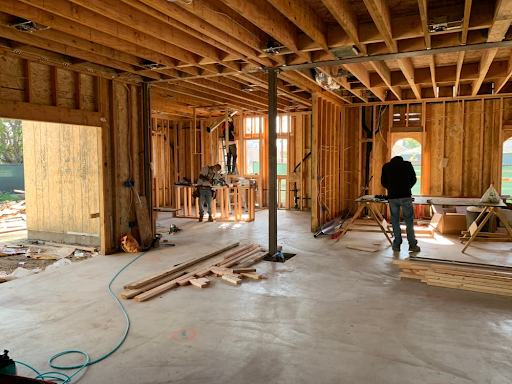
Building a new home is an exciting opportunity to create a living space that reflects your lifestyle, preferences, and future needs. However, the process involves several important decisions, from choosing the right location and floor plan to selecting materials and understanding construction requirements. Whether you’re building your first property or planning a larger family home, careful research and thoughtful preparation are essential for a successful homebuilding experience.
Understand Your Lifestyle and Housing Needs
Before exploring home designs or construction options, consider how you expect to use your living space. Your daily routines, family size, and personal preferences should influence the decisions you make throughout the building process.
Think about the number of bedrooms, bathrooms, and shared living areas you need. Families with children may prefer open living spaces, while professionals working remotely might prioritise a dedicated home office.
It’s also important to consider how your needs could change over time. Additional storage, flexible rooms, and accessible layouts can make a property more practical as your circumstances evolve.
Explore Home Designs That Match Your Preferences
Choosing the right home design is one of the most important decisions in the building process. Modern home designs offer different layouts, including open-plan living areas, spacious kitchens, private bedrooms, and flexible spaces for work or entertainment.
Before selecting a design, consider how rooms connect, how much natural light enters the property, and whether the available space supports your daily activities. A thoughtfully planned layout should provide a balance between comfort, functionality, and personal style.
Exploring different home designs from established builders can help you identify features that match your lifestyle and preferences. If you’re looking for modern and practical home design options, Domaine Homes offers a variety of single-storey, double-storey, and acreage home designs that cater to different family sizes, living requirements, and design preferences.
Comparing these designs can help you identify practical features, understand available customisation options, and choose a layout that aligns with your long-term expectations.
Choose a Suitable Location for Your Home
The location of your property can influence your daily routine, lifestyle, and long-term satisfaction. Before purchasing land or finalising construction plans, research the surrounding neighbourhood and available facilities.
Consider access to schools, healthcare services, public transportation, shopping areas, and major roads. Proximity to essential services can make everyday responsibilities more convenient.
The physical characteristics of the land also matter. Block dimensions, slope, drainage, soil conditions, and local planning restrictions can affect the type of home you can build.
Consulting relevant professionals before making a final decision can help identify potential construction challenges and determine whether your preferred design suits the property.
Clear Construction Budget
Understanding the financial requirements of building a home helps you make realistic decisions and avoid unexpected expenses. Construction costs extend beyond the advertised price of a house design.
Land preparation, permits, site inspections, utility connections, landscaping, and interior finishes may involve additional expenses.
Before signing a contract, request a detailed breakdown of what is included in the construction price. Pay attention to allowances, optional upgrades, and costs that may change during the project.
Setting aside funds for unexpected circumstances can also provide greater financial flexibility.
A clear financial plan allows you to prioritise essential features while making informed choices about additional improvements.
Consider Materials and Energy Efficiency
The materials used in your home can influence durability, maintenance requirements, and everyday comfort.
When comparing construction materials, consider their suitability for local weather conditions, expected lifespan, and maintenance needs.
Energy-efficient features also deserve attention. Appropriate insulation, well-positioned windows, effective ventilation, and efficient heating and cooling systems can improve indoor comfort.
Natural lighting and thoughtful room orientation may also reduce reliance on artificial lighting during the day.
Discussing these features during the design stage can help you make choices that support long-term comfort and efficient household operation.
Understand Contracts and Construction Timelines
Before construction begins, carefully review the building contract and make sure you understand the agreed scope of work.
The contract should clearly explain pricing, payment schedules, construction stages, included materials, and procedures for requesting changes.
Pay particular attention to how delays, unexpected site conditions, and additional work will be handled.
Construction timelines can vary depending on project complexity, weather conditions, material availability, and approval requirements.
Maintaining regular communication with your builder can help you stay informed about progress and address concerns before they become more complicated.
Seeking independent professional advice before signing important documents can provide additional confidence.
Plan for Long-Term Comfort and Functionality
A new home should meet your immediate requirements while remaining practical as your lifestyle changes.
Consider features that may improve everyday convenience, such as additional storage, flexible living areas, durable flooring, and accessible room layouts.
Outdoor spaces also deserve attention. A comfortable garden, patio, or entertaining area can extend your living space and create opportunities for relaxation.
Rather than focusing exclusively on current design trends, prioritise features that will remain useful over time.
Thoughtful planning can help reduce the need for major changes after moving into your new property.
Building Your Dream Home Through Thoughtful Decision-Making
Building a new home involves balancing personal preferences, practical requirements, and long-term goals. Every decision, from choosing a floor plan to evaluating construction materials, contributes to the final result. Understanding how these choices affect your home’s functionality, appearance, and maintenance requirements can help you create a living environment that meets your expectations.
Taking time to research available options, ask questions, and seek professional guidance can help you approach the process with greater confidence. Comparing different designs, understanding construction requirements, and considering future lifestyle changes can also support better decision-making.
Clear communication with builders and careful attention to contracts, construction details, and design choices can also reduce uncertainty.
Ultimately, a successful homebuilding experience begins with understanding your needs and making decisions that support them. By focusing on thoughtful planning, quality construction, and everyday functionality, you can create a home that offers comfort, convenience, and lasting value.
