
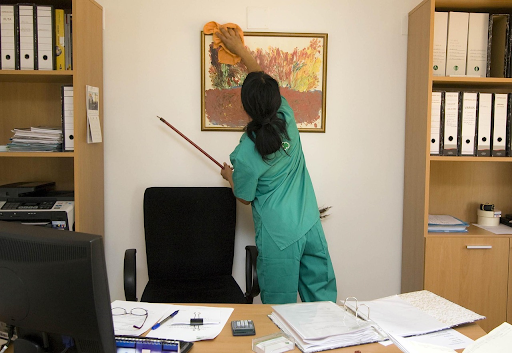
For commercial property owners and facility managers in Rio Rancho, New Mexico, maintaining a building involves more than keeping its appearance presentable. Intense sunlight, dry conditions, seasonal storms, and everyday business activity can gradually wear down essential building systems.
A neglected maintenance issue can eventually interrupt operations, create safety concerns, or lead to expensive repairs. Whether you manage an office, retail property, restaurant, or warehouse, knowing where problems typically develop helps you protect the building and the people who use it.
The most effective maintenance strategies address hidden vulnerabilities before they become emergencies.
Keep Unwanted Pests From Becoming a Property Problem
Commercial buildings provide several things pests need to survive: shelter, moisture, and access to food. Even well-maintained properties can develop infestations when small structural openings or poor storage practices go unnoticed.
Rodents may enter through gaps around utility lines, while ants and cockroaches can exploit food waste, leaking plumbing, and poorly sealed doors. Beyond creating sanitation concerns, certain pests can damage insulation, wiring, and stored merchandise.
For facility managers dealing with recurring activity, consulting pest control Rio Rancho specialists can help identify entry points, assess conditions attracting pests, and develop appropriate prevention strategies. Professional inspections can also reveal vulnerabilities that routine cleaning overlooks.
Prevention should involve sealing openings, maintaining waste areas, repairing leaks, and monitoring storage rooms.
Addressing the conditions that attract pests is generally more sustainable than repeatedly treating visible activity without investigating its source.
Inspect Roofing Before Minor Damage Spreads
Commercial roofs endure continuous exposure to sunlight, temperature fluctuations, wind, and occasional heavy rainfall.
Over time, roofing membranes can deteriorate, flashing may loosen, and drainage systems can accumulate debris.
These problems are not always visible from ground level.
A small opening around rooftop equipment may allow water to penetrate insulation and damage interior finishes long before employees notice a leak.
Schedule professional roof inspections at appropriate intervals and after significant storms.
Pay particular attention to penetrations, seams, drainage outlets, and areas surrounding heating and cooling equipment.
Interior warning signs include ceiling discoloration, musty odors, and unexplained moisture near exterior walls.
Prompt repairs can help prevent localized damage from affecting larger sections of the building.
Roof maintenance also protects equipment and inventory located beneath vulnerable areas.
Maintain HVAC Systems for Comfort and Reliability
Heating, ventilation, and air-conditioning systems influence employee comfort, indoor air quality, and operating expenses.
When filters become clogged or components deteriorate, equipment may work harder to maintain comfortable temperatures.
In commercial properties, these problems can affect multiple rooms or entire floors.
Establish maintenance schedules covering filter replacement, coil cleaning, electrical inspections, and equipment performance.
Technicians should also examine airflow restrictions, unusual noises, and recurring temperature inconsistencies.
In dusty environments, filtration and outdoor equipment cleanliness deserve particular attention.
An HVAC system that receives regular servicing may operate more efficiently and experience fewer unexpected interruptions.
Maintenance records can help identify recurring faults and determine when replacement becomes more practical than continued repairs.
Protect Plumbing From Hidden Water Damage
Plumbing problems often develop behind walls, beneath floors, or inside mechanical rooms where employees rarely look.
Slow leaks can damage building materials, encourage microbial growth, and increase utility consumption without creating an obvious emergency.
Regular inspections should include visible supply lines, drain connections, water heaters, restrooms, and equipment that uses water.
Monitor unusual changes in consumption, particularly when business activity has remained consistent.
Running toilets, dripping fixtures, and unexplained dampness deserve prompt investigation.
Where appropriate, leak-detection devices can provide additional warning before significant damage occurs.
Commercial kitchens, shared restrooms, and high-traffic facilities may require more frequent attention because of heavier usage.
Keeping plumbing systems reliable protects building materials while reducing avoidable disruptions to daily operations.
Check Electrical Systems Before Problems Interrupt Operations
Commercial buildings depend on electrical systems to power lighting, computers, security equipment, machinery, and climate control.
As businesses expand or introduce new technology, electrical demand can increase beyond what the original installation was designed to support.
Warning signs may include frequently tripped breakers, flickering lights, overheating outlets, or unusual sounds near electrical equipment.
Qualified electricians should inspect panels, wiring, connections, and protective devices according to the building’s needs.
Avoid using extension cords as permanent substitutes for properly installed outlets.
Electrical rooms should remain accessible, dry, and free from unnecessary storage.
Thermal inspections may also help identify overheating components before failures occur.
Maintaining electrical infrastructure supports workplace safety and reduces the likelihood of unexpected interruptions that affect productivity.
Maintain Exterior Surfaces and Drainage Systems
A commercial property’s exterior does more than influence its appearance. Walls, pavement, walkways, and drainage systems protect the structure and support safe access.
Cracked pavement can create trip hazards, while deteriorating sealants may allow moisture to enter vulnerable building joints.
Inspect parking areas, sidewalks, entrances, and exterior walls for developing damage.
Pay attention to drainage patterns following rainfall. Water collecting near foundations or entrances may indicate grading problems or blocked drainage routes.
In areas exposed to intense sunlight, exterior coatings and sealants may require periodic evaluation.
Landscaping should also be maintained so vegetation does not obstruct equipment, drainage channels, or building access.
Correcting minor exterior defects early can prevent more extensive structural deterioration and improve the experience of visitors and employees.
Make Fire Safety Part of Routine Maintenance
Fire protection equipment requires consistent attention, even when a building has never experienced an emergency.
Smoke detection systems, alarms, extinguishers, emergency lighting, and sprinkler equipment must remain functional and accessible.
Inspection and testing requirements depend on the building’s occupancy, equipment, and applicable codes.
Facility managers should maintain accurate records of required servicing and address deficiencies promptly.
Emergency exits must remain unobstructed, with appropriate signage and lighting.
Employees should understand evacuation procedures and know how to report potential hazards.
Storage practices deserve attention as well. Combustible materials should not accumulate near electrical equipment or interfere with fire protection systems.
A reliable fire safety program combines equipment maintenance with clear procedures and regular employee awareness.
Build a Maintenance Schedule Around Actual Building Conditions
Commercial maintenance becomes more effective when decisions are based on equipment condition, operating demands, and documented inspection findings.
Start by identifying essential systems and determining how failures could affect business operations.
A restaurant may prioritize refrigeration and plumbing, while a warehouse might focus on loading equipment, ventilation, and electrical reliability.
Create a maintenance calendar that distinguishes routine inspections from specialized professional servicing.
Record completed work, recurring problems, and recommendations for future repairs.
Review these records periodically to identify patterns that deserve closer attention.
Avoid postponing minor problems simply because the building remains operational.
A successful maintenance strategy protects more than the physical property. It supports employee safety, customer confidence, and reliable business performance.
By addressing vulnerabilities before they escalate, commercial property managers can extend equipment life, reduce preventable disruptions, and keep their buildings functioning effectively for years to come.
