
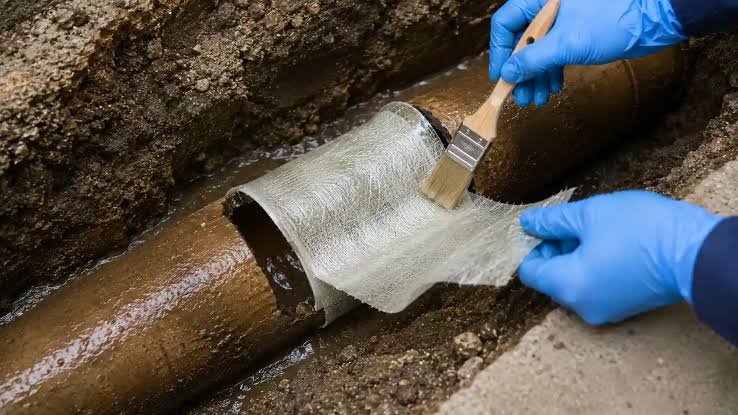
An underground drainage fault is easy to overlook until wastewater escapes, a blockage returns or the ground around a pipe begins to change. Unlike a sink trap that can be reached from inside a home, buried pipework requires careful investigation before work is planned. Property owners should distinguish a temporary obstruction from a structural defect and understand the evidence behind any proposed repair.
People seeking drain repair London should begin by describing the symptoms and establishing whether the problem is isolated, recurring or affecting several connections. A suitable response depends on the actual condition of the drainage system.
The Main Technical Consideration
Cracks, displaced joints, root intrusion and collapsed sections can create different patterns of failure. A small defect may allow soil or roots into a pipe, while a badly deformed section may restrict flow even after debris is removed. Camera inspection and access-point observations can help establish the nature and location of damage, although the findings must be interpreted in the context of the whole drainage run.
An Example in Practice
Consider a London property where the same underground line blocks every few months. Each clearance restores flow temporarily, but the problem returns. Rather than paying indefinitely for repeated clearing, the owner requests a documented assessment. A specialist identifies a damaged joint and explains whether a targeted repair, lining or replacement is appropriate for that particular pipe.
Identify the Pattern
A single slow basin, multiple gurgling fixtures and wastewater returning through another outlet are different symptoms. Record which appliances or fixtures are affected and whether the problem changes with use or rainfall. The pattern can help identify whether the restriction is local or farther along a shared drainage run. Avoid assuming that the nearest visible outlet is the location of the fault.
Recognise Safety Risks
Sewage can contain harmful microorganisms and standing water can create slip hazards. Stop using fixtures that are backing up and keep children and pets away from affected areas. Do not mix drain-cleaning chemicals, because dangerous reactions or fumes may result. If a product has already been applied, tell the contractor. Electrical equipment near water requires particular caution and qualified assistance.
Check the Property Layout
Older buildings may have drainage routes altered during extensions, conversions or repairs. Newer blocks can also contain complex shared systems. Inspection chambers and building plans may help establish connections, but unfamiliar chambers should not be entered by occupants. A clear understanding of the layout reduces unnecessary work and helps identify the responsible party.
Assess the Likely Cause
Grease, food residue, hair, soap deposits and unsuitable flushed materials can create obstructions. Outside, leaves and sediment can collect around gullies. Structural problems include damaged joints, displaced pipes and collapsed sections. These causes may look similar at the fixture, which is why a lasting response should be based on an appropriate assessment rather than a guess.
Use Suitable Professional Methods
Specialists may use mechanical equipment or controlled water jetting for suitable obstructions. Camera inspection may be appropriate where the same problem recurs or pipe damage is suspected. The chosen method should reflect the pipe material, condition and access available. Aggressive techniques used without proper assessment can cause additional damage, particularly in fragile systems.
Distinguish Clearing From Repair
Removing debris can restore flow without correcting an underlying defect. If a pipe has a structural fault, repeated clearing may provide only temporary relief. A repair recommendation should explain what is damaged, where it is located and why the proposed technique is appropriate. Ask whether less intrusive options are technically suitable before authorising major work.
Clarify Responsibility
Owners, tenants, landlords, freeholders, managing agents and water companies can have different responsibilities. Shared drains and public sewers may be managed differently from private internal waste pipes. Establish the relevant arrangement before commissioning extensive work. This is especially important in conversions and managed blocks, where one fault can affect several occupiers.
Ask Before Booking
Explain when the symptoms started, which fixtures are affected and whether similar incidents have happened before. Ask what the initial fee includes, how additional work will be approved and whether the findings can be documented. Access limitations and possible shared connections should be mentioned early. A clear quotation reduces confusion when unexpected repairs are proposed.
Prevent Avoidable Deposits
Dispose of cooking fats and food scraps appropriately instead of pouring them into sinks. Avoid flushing wipes and other unsuitable products. Use strainers where practical and clear accessible leaves from external grates. These measures reduce some preventable restrictions but cannot solve damaged pipework or unsuitable drainage design.
Keep Useful Records
Photographs, dates, symptoms and contractor findings can help reveal recurring patterns. In managed properties, centralised records are particularly valuable because different occupants may report the same underlying issue. Retaining inspection reports and repair recommendations also helps future contractors understand what has already been checked.
Plan the Follow-Up
After water flows normally again, ask what caused the restriction and whether further checks are justified. Confirm any recommended maintenance and clarify who is responsible for follow-up. Where sewage entered the building, suitable cleaning and disinfection may be needed. A clear plan is more useful than assuming the issue is permanently resolved.
Take a Proportionate Approach
Not every slow drain is an emergency, but wastewater entering occupied rooms or threatening essential facilities requires prompt attention. The right response depends on risk, the building’s use and the likely consequences of delay. Good decisions balance safety, cost and the evidence available rather than relying on dramatic claims or a one-size-fits-all method.
Protect Long-Term Reliability
Drainage systems benefit from sensible waste disposal, early recognition of warning signs and timely investigation when faults recur. Routine maintenance cannot prevent every structural problem, but it can reduce avoidable deposits. Long-term reliability depends on addressing the source of repeated restrictions rather than treating every incident as unrelated.
Selecting Appropriate Assistance
When comparing cracked drain repair London, ask what investigation is proposed, how the provider will explain the findings and whether additional work requires approval. A responsible approach should distinguish a temporary clearance from a durable repair and avoid unnecessary disruption.
Final Considerations
A good repair decision balances the evidence, the condition of surrounding pipework, disruption, access and long-term reliability. Owners should understand what is being repaired and why, not simply accept the most extensive option.
