
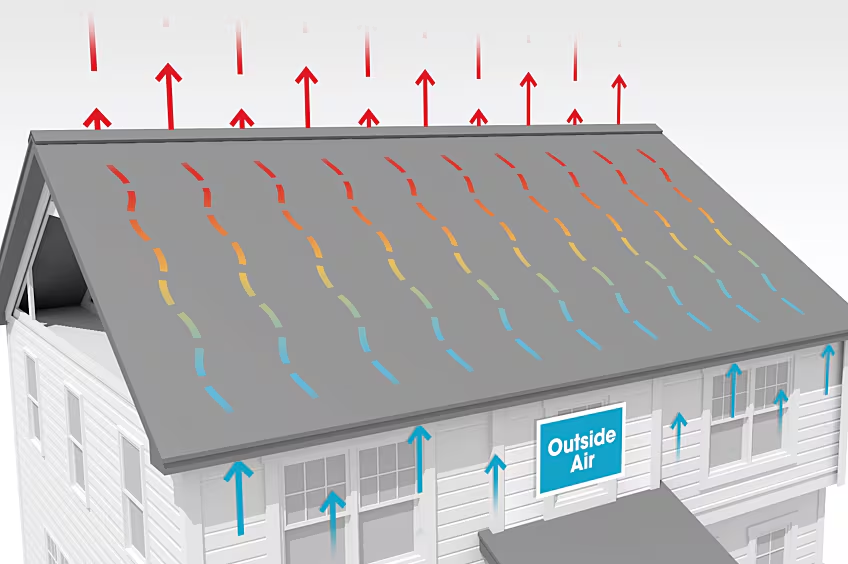
When installing new shingles on your home, one crucial factor that often goes unnoticed is the importance of proper attic ventilation. Many homeowners focus on the quality and appearance of the shingles themselves, but the underlying ventilation system plays a significant role in the longevity and performance of your roof. Without adequate airflow in the attic, heat and moisture can build up, leading to a range of problems that can compromise both your roofing investment and the comfort of your living space. Understanding why attic ventilation matters can help you make informed decisions during your next roofing project.
What to Expect from Proper Attic Ventilation
The Role of Attic Ventilation in Roof Health
Attic ventilation is a critical component in maintaining the overall health of your roofing system. When air circulates freely through the attic, it helps regulate temperature and moisture levels, preventing the buildup of heat during the summer and reducing condensation in the winter. Excessive heat in the attic can cause shingles to age prematurely, leading to cracking, curling, and eventual failure. Moisture, on the other hand, can seep into the roof deck and insulation, fostering mold growth and wood rot. These issues not only shorten the lifespan of your shingles but can also result in costly repairs to the underlying structure. Proper ventilation ensures that your attic remains dry and cool, which directly contributes to the durability and effectiveness of your new shingles.
How Poor Ventilation Impacts Energy Efficiency
A poorly ventilated attic can have a significant impact on your home’s energy efficiency. During hot weather, trapped heat in the attic can radiate down into your living spaces, forcing your air conditioning system to work harder to maintain a comfortable temperature. This increased workload leads to higher energy bills and unnecessary strain on your HVAC system. In colder months, inadequate ventilation can cause warm, moist air from inside the house to rise and condense on cold attic surfaces, potentially leading to ice dams along the roof edge. Ice dams can cause water to back up under the shingles, resulting in leaks and water damage. Homeowners in areas like O’Fallon should be aware that Roofing O’Fallon projects benefit greatly from a well-ventilated attic, as it helps maintain consistent indoor temperatures and reduces the risk of weather-related roofing problems.
Preventing Moisture Damage and Mold Growth
Moisture is one of the most significant threats to the integrity of your roofing system. When warm, humid air becomes trapped in the attic, it can condense on cooler surfaces such as rafters and the underside of the roof deck. Over time, this moisture accumulation can lead to the development of mold and mildew, which not only damages wood and insulation but also poses health risks to the occupants of the home. Mold spores can spread through the ventilation system, affecting indoor air quality and potentially triggering allergies or respiratory issues. Additionally, persistent moisture can weaken the structural components of the roof, leading to sagging, rot, and even the need for premature roof replacement. Ensuring that your attic is properly ventilated is a proactive step in safeguarding your home against these moisture-related problems.
Extending the Lifespan of Your Shingles
One of the primary benefits of proper attic ventilation is its ability to extend the lifespan of your shingles. Shingles are designed to withstand a range of weather conditions, but excessive heat and moisture can accelerate their deterioration. When the attic is well-ventilated, it helps dissipate heat that would otherwise become trapped beneath the roof surface. This prevents the shingles from overheating, which can cause them to lose their protective granules and become brittle over time. By maintaining a balanced attic environment, you reduce the risk of premature shingle failure and ensure that your investment in new roofing materials pays off for many years to come. Proper ventilation also helps maintain the manufacturer’s warranty on your shingles, as many warranties require adequate attic airflow to remain valid.
Signs Your Attic Ventilation Needs Improvement
Recognizing the signs of inadequate attic ventilation can help you address potential issues before they escalate. Common indicators include noticeable temperature differences between the attic and the rest of the house, visible mold or mildew on attic surfaces, and a musty odor emanating from the attic space. You may also observe that your shingles are curling, cracking, or showing signs of premature aging. In winter, the formation of ice dams along the roof edge is a clear sign that warm air is escaping into the attic and causing snow to melt and refreeze. Addressing these warning signs promptly by improving attic ventilation can prevent further damage and protect your roofing investment.
The Importance of Professional Assessment
A professional assessment of your attic ventilation system is essential when planning a new shingle installation. Roofing contractors can evaluate the current airflow in your attic, identify any blockages or deficiencies, and recommend solutions tailored to your home’s specific needs. They may suggest adding or upgrading vents, installing ridge or soffit vents, or improving insulation to enhance overall performance. A thorough assessment ensures that your new shingles are supported by a ventilation system that promotes their longevity and effectiveness. Investing in proper ventilation during the installation process can save you money on future repairs and energy costs, while also providing peace of mind that your home is protected from the elements.
Quick Benefits of Proper Ventilation
Proper attic ventilation not only protects your roof but also contributes to a healthier and more comfortable home environment. By allowing hot air and moisture to escape, ventilation helps regulate indoor temperatures, reduces the risk of mold growth, and prevents structural damage. Homeowners who prioritize attic ventilation during shingle installation often experience lower energy bills, fewer maintenance issues, and a longer-lasting roof. These benefits make attic ventilation a key consideration for anyone planning a roofing project.
Conclusion
Proper attic ventilation is a fundamental aspect of any successful shingle installation. It plays a vital role in maintaining the health of your roofing system, improving energy efficiency, and preventing costly moisture-related problems. By ensuring that your attic has adequate airflow, you protect your investment in new shingles and create a safer, more comfortable living environment for your family. Whether you are replacing an old roof or building a new home, taking the time to address attic ventilation can make a significant difference in the performance and longevity of your roofing system. Prioritizing this often-overlooked detail will help you enjoy the full benefits of your new shingles for many years to come.
