
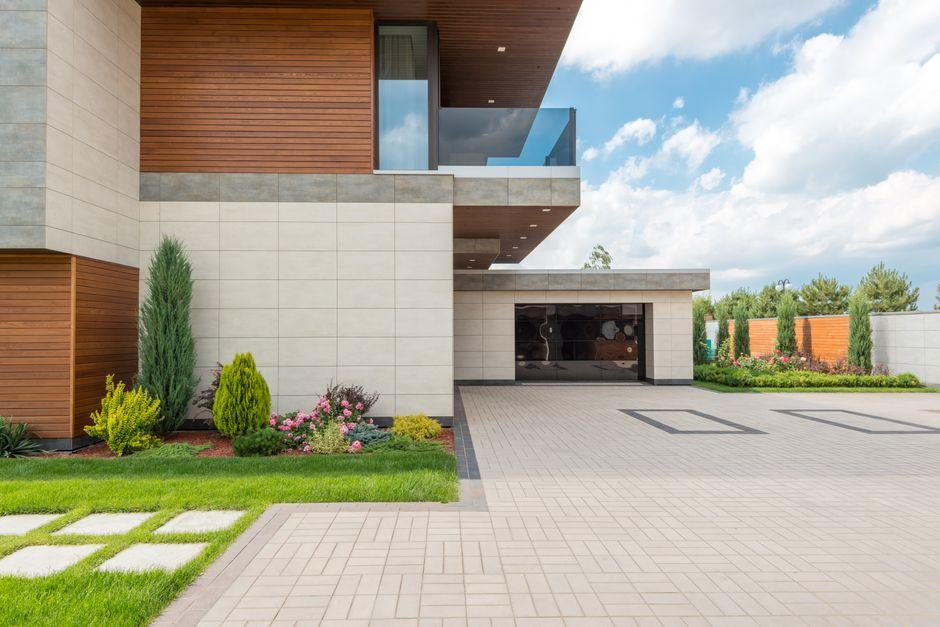
When preparing a property for sale, obvious updates often get the budget first: paint, lighting, staging, and new hardware. Yet exterior concrete shapes a buyer’s first impression. Driveways, walkways, patios, and pool decks influence how well maintained a property appears. If you want better curb appeal without full replacement, resurfacing deserves a closer look before listing.
Buyers notice concrete sooner than you think
A driveway or patio may seem like a minor detail, but it helps establish the tone of a viewing. Hairline cracks, scaling, stains, and uneven color can suggest deferred maintenance, even when the underlying slab remains sound. Buyers may not recognize surface spalling by name, but they notice when a surface looks worn.
Listing photographs make these details especially visible. A clean surface can make an exterior feel cared for. Cosmetic flaws do not automatically indicate structural defects, but they can influence a buyer’s impression.
Resurfacing can be a practical pre-sale upgrade
Removing and replacing concrete can involve demolition, disposal, new base preparation, curing time, and disruption around the property. Resurfacing takes a different approach. When the existing slab is suitable, an overlay or coating system can renew its appearance and texture without removing the entire surface.
Resurfacing may improve presentation while controlling cost, but it is not always cheaper. Slab condition, system choice, preparation, labor, and repairs all affect the price.
Resurfacing is a targeted improvement, not a way to disguise serious damage. A sound slab with superficial wear may qualify; a moving or deteriorated slab may need another solution.
Choosing a contractor requires more than comparing prices
If you are comparing concrete resurfacing contractors, look for clear explanations of slab assessment, preparation, repairs, product selection, warranty terms, and expected maintenance. Ask what findings would make resurfacing unsuitable and whether the estimate includes patching, cleaning, grinding, and disposal. A contractor should be able to explain the limits of the proposed system, not simply promise a dramatic visual transformation.
Request a written scope covering the product, preparation, finish, exclusions, and curing instructions. Check comparable project examples and clarify who protects nearby landscaping and drains. A low bid may omit essential work.
Not every slab is suitable for resurfacing
Deep settlement, heaving, extensive cracking, poor drainage, and unstable sub-base conditions can undermine a new surface. If the underlying concrete continues to move, cracks or separation may appear through the overlay. Covering a problem does not correct its cause.
An assessment should consider cracks, moisture, drainage, contamination, delamination, and bonding. Ask whether damage is superficial or signals a deeper issue. A driveway also faces different demands from a garden path.
Surface preparation often determines the result
Surface preparation is essential. Depending on the product and slab, work may include cleaning, grinding, removing weak concrete, repairing cracks, and creating the correct profile. Oil, sealers, paint, dust, and loose material can interfere with bonding. The exact method should follow the overlay manufacturer’s specifications.
Ask how the crew verifies readiness and handles hidden deterioration. The Texas Department of Transportation explains that an existing surface should be sound, level, clean, and bondable. Its guidance on preparing existing surfaces for overlays explains why failed areas need repair first.
Choose a finish that suits the property
The finish affects appearance and everyday use. A simple broom texture may suit a front walkway, while a decorative overlay can make an older patio feel more coordinated with the home. Around pools or other wet areas, traction deserves particular attention.
For a pre-sale project, restrained choices are usually easier to integrate with the property. Neutral colors and consistent textures can complement different architectural styles without overwhelming the exterior. Very bold patterns or unusual colors may appeal to some buyers but distract others.
Match the finish to its use. Driveways must tolerate vehicles; pool decks need wet-weather traction. Ask about heat, cleaning, and resealing. View samples outdoors to judge color and texture in natural light.
Understand what an overlay can and cannot fix
An overlay cannot correct every failing slab. Active cracks, settlement, poor support, and water problems may need attention first. The American Concrete Institute explains why slab evaluation and active-crack treatment matter when selecting an overlay in its technical explanation of concrete overlay considerations.
Schedule the work around your listing timeline
Resurfacing needs to fit alongside landscaping, exterior painting, photography, staging, and showings. Schedule it after heavy work that could damage or dirty the finished surface, but early enough to allow the product to cure according to the manufacturer’s instructions.
Get written guidance on curing, weather, cleaning, and when traffic can resume. Rain, temperature, and humidity may cause delays, so avoid scheduling photography solely around the expected finish date.
Improve usability, not just appearance
Pitted concrete can be difficult to clean, rough surfaces uncomfortable underfoot, and uneven areas potential trip hazards. Resurfacing may improve texture when the slab is stable and the system is suitable.
However, an overlay should not be treated as a guaranteed fix for drainage, standing water, major elevation differences, or structural movement. Ask whether those issues need separate correction before work begins. A visually attractive finish is only worthwhile if the surface remains suitable for its intended use.
Make the upgrade decision with clear expectations
Compare resurfacing with localized repairs and replacement. Consider condition, buyer appeal, timing, and durability. Keep invoices, product details, and warranty information for buyers.
The best pre-sale improvement is not necessarily the most elaborate one. If the concrete is structurally suitable, a well-prepared resurfacing project can make outdoor areas look cleaner and more cared for without the disruption of replacing every slab. The key is to address the condition honestly, choose a finish that fits the home, and prioritize workmanship over quick cosmetic promises. Keep expectations realistic and disclose known defects rather than relying on a fresh finish to conceal them from prospective buyers during the sale process.
READ ALSO: https://themagazinepure.com/
