
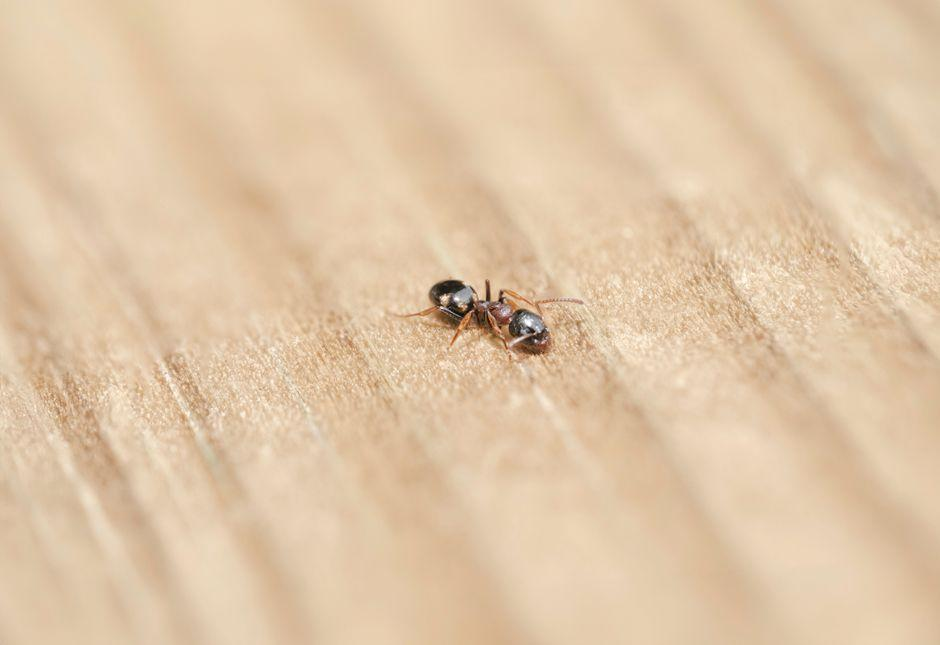
If you own, rent, manage, or plan to buy property, pests can quietly shift from a minor annoyance to a serious cost center. In a market like St. Louis, where older housing stock, humid summers, and seasonal temperature swings shape building conditions, pest activity often follows the structure more than the calendar. You need a practical view of what attracts infestations, what signals trouble early, and how to respond before the damage starts affecting property value, habitability, or closing timelines.
Where Property Owners Lose Money by Waiting Too Long
Delay creates cost in ways people do not always track. Emergency service calls tend to be more expensive than planned prevention. Repairs multiply when pests damage insulation, wiring, wood framing, or stored materials. Vacancy can stretch longer if an odor, visible infestation, or inspection issue appears during turnover.
There is also the management burden. If you own rental property, recurring pest complaints can lead to friction over lease obligations and habitability expectations. If you are selling, buyers may ask for treatment records, repair credits, or follow-up inspections. In commercial or mixed-use settings, pest visibility can affect customer confidence. Working with a qualified pest control team in St. Louis can help you move from reactive treatments to a plan built around inspection, exclusion, moisture control, and monitoring.
Why Pest Problems Hit Real Estate Harder Than Most Owners Expect
A pest issue rarely stays limited to a single inconvenience. It can affect inspections, appraisals, tenant satisfaction, maintenance budgets, and even insurance conversations. In real estate, that creates compounding risk. A few mice in a basement may point to envelope gaps, moisture intrusion, or poor storage practices. Termite evidence can trigger concern about structural integrity, even when damage is localized.
You also have the reputation factor. Tenants talk, buyers notice, and property managers lose time handling repeat complaints. In multifamily settings, one untreated unit can become a corridor problem fast. In single-family homes, crawl spaces, attics, and garages often become blind spots until the signs are obvious. Once pests establish a harborage area, removal gets more expensive and more disruptive.
The St. Louis Conditions That Make Infestations More Likely
St. Louis properties face a specific mix of environmental pressure. Heat and humidity support insects that thrive around damp zones, while winter pushes rodents indoors through tiny entry points. Older brick homes, aging foundations, and mature landscaping create additional pathways and shelter. If a property has settled over time, small cracks and utility penetrations can become access routes.
Moisture is often the common denominator. Poor drainage, clogged gutters, sweating pipes, and under-ventilated basements all create ideal conditions for pest activity. Wooden elements near soil lines raise termite risk. Dense shrubs against exterior walls offer cover for insects and rodents. Even simple issues, like storing cardboard in a garage or leaving pet food accessible, can increase activity. Local conditions matter because pest pressure is never just about cleanliness; it is often about structure, climate, and maintenance patterns working together.
The Early Warning Signs You Should Never Ignore
The first signs are usually subtle. You may notice frass near trim, scratching in walls at night, droppings near water heaters, grease marks along baseboards, or wings left near windowsills. Roaches often reveal themselves through odor before you see them consistently. Ants may appear in a neat trail for only part of the day, then vanish back into wall voids.
Real estate owners get into trouble when they treat these signals as isolated. A mouse sighting in the kitchen might really be an exterior exclusion problem. Bubbling paint can point to moisture, which can support termites or attract other insects. If tenants mention recurring bugs after routine sprays, the underlying issue may be sanitation gaps, leaks, or hidden access points. Good pest control starts with pattern recognition, not guesswork.
What Effective Pest Control Actually Looks Like in a Real Property Plan
Effective pest management is rarely about spraying and leaving. The strongest plans combine inspection, identification, exclusion, sanitation guidance, and follow-up. If a technician cannot explain where the pests are entering, nesting, or feeding, you are probably only getting symptom control. That may reduce activity for a short period, but it often fails to prevent recurrence.
For property owners, the better approach looks operational. You inspect exterior lines, seal penetrations, trim vegetation, correct drainage, address leaks, and monitor high-risk zones such as attics, basements, utility rooms, and dumpster areas. Treatment should be targeted to the species and the environment. A roach issue in a multifamily kitchen has a different control strategy than termite activity near a sill plate. Precision matters because each pest behaves differently.
How Buyers, Sellers, and Landlords Should Handle Pest Risk Differently
If you are buying, ask direct questions during due diligence. Request disclosure details, ask about past infestations, and pay attention to moisture conditions and deferred maintenance. A clean showing does not guarantee a pest-free structure. Fresh paint and staged furniture can hide clues.
If you are selling, address concerns before listing photos and walkthroughs begin. A pre-listing inspection can reduce last-minute negotiations and keep a deal from wobbling after the buyer’s inspection period. Landlords need a repeatable protocol: clear tenant reporting instructions, documented service visits, unit access procedures, and education around food storage and clutter. Consistency helps protect both the property and the lease relationship. Pest control works better when it is treated as part of asset management rather than a side issue delegated only after complaints stack up.
Practical Steps You Can Take This Month to Reduce Pest Pressure
Start outside. Walk the perimeter and look for gaps around pipes, vents, doors, and foundation lines. Check whether mulch sits too high against the structure. Clean gutters and make sure downspouts push water away from the home. Cut back branches and shrubs that touch siding or roofing.
Inside, inspect under sinks, around appliances, in utility areas, and along basement walls. Store pantry goods in sealed containers if activity is suspected. Remove cardboard where possible, fix leaks quickly, and reduce standing water. For rentals, document all reports and responses. Schedule professional inspections before peak issues become visible. You do not need panic or constant chemical treatment. You need a disciplined maintenance routine, fast response times, and professionals who understand how pests interact with actual building conditions.
The Bottom Line for Protecting Property Value
Pest control is not a cosmetic service. It is part of preserving property performance. Whether you are trying to maintain occupancy, protect a renovation, pass inspection, or avoid structural damage, the cheapest infestation is the one that never gets established. Sharp owners pay attention to patterns early, especially in markets with older homes and fluctuating seasonal pressure.
If you treat pest activity as a building systems issue instead of a one-time nuisance, your decisions get better. You spend less on emergency fixes, avoid preventable disputes, and keep the property in stronger shape over time. For anyone involved in real estate, that is not a minor operational detail. It is basic risk control with a direct impact on value.
READ ALSO: https://themagazinepure.com/
