
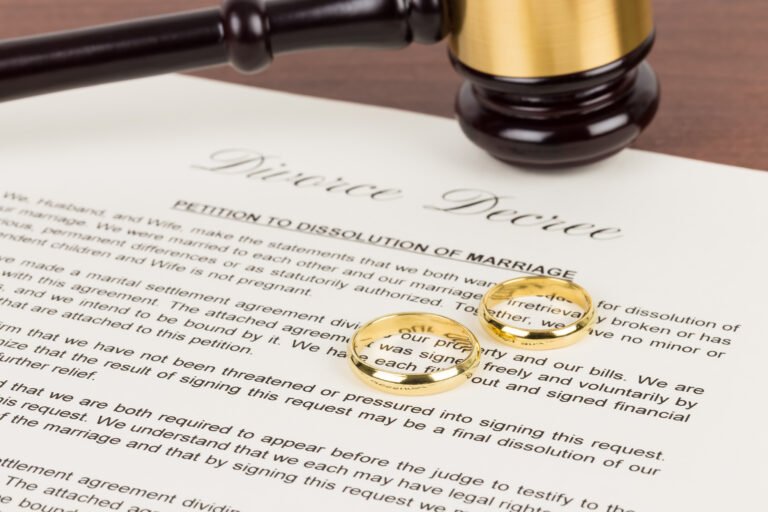
Divorce involves several legal stages, from filing the initial complaint to resolving financial and parenting arrangements. If you own a home with your spouse, property division also becomes part of the proceedings. A divorce lawyer helps explain your legal options while representing your interests throughout the case. Here is how the divorce process typically progresses from the first filing to the final judgment:
File the Divorce Complaint
A key step in the divorce process is for one spouse to file a formal complaint with the relevant family court. It details the reasons for the termination of the marriage. Depending on the situation, requests can include property division or spousal support. An official notice is sent to the other spouse, who has an opportunity to respond after the complaint is filed.
The spouse who has been served responds to the allegations and files an answer within the statutory timeframe. The answer addresses the claims in the complaint; a counterclaim adds additional requests. If the spouses disagree on specific matters, then those issues are included in the proceedings. An attorney can explain the ramifications of each answer as the case progresses.
Filing the divorce petition officially initiates the court process. Once the petition is filed, the court assigns a case number, which is used to identify and track the case in future documents and hearings. If minor children are involved, issues such as child custody, parent-time, and child support also need to be addressed. After the other spouse is notified and has an opportunity to respond, the court determines the next steps in the case based on the circumstances, including whether the parties reach an agreement or need mediation or a trial.
Exchange Financial Information
Financial disclosure gives both spouses a clearer picture of their marital circumstances before settlement discussions progress. Each party provides information about income, assets, expenses, and outstanding liabilities. Supporting records help verify the figures reported in financial statements. Key documents and details commonly form part of the disclosure process, including:
- Employment records showing current earnings
- Bank statements identifying account balances and transactions
- Mortgage documents relating to jointly owned property
- Retirement account statements showing accumulated funds
- Debt records identifying outstanding financial obligations
A divorce lawyer reviews the information and requests clarification when details remain incomplete. Property valuations also help when spouses disagree about the value of a shared home. The disclosed information supports discussions about equitable distribution and spousal support.
Resolve Parenting Matters
When children are involved, divorce proceedings address custody and parenting time alongside financial disputes. Legal custody addresses parental decision-making responsibilities, while residential arrangements determine where the children live. Parenting schedules establish the time children spend with each parent and account for school routines and other daily activities. When reviewing disputed arrangements, the court prioritizes the best interests and overall well-being of the children.
Pursue Settlement Options
Settlement negotiations allow couples to resolve their disputes before going to trial. They usually involve lawyers negotiating settlement terms based on the financial and child-custody information obtained in the case. Mediation introduces an impartial mediator who helps both parties discuss unresolved issues, and each spouse is free to accept or reject the proposed settlement terms.
When negotiations reach a deadlock, the parties proceed with additional dispute-resolution efforts before trial. Mediation provides an opportunity to resolve outstanding financial and other disputed issues, and a settlement conference offers another opportunity to reach an agreement. If the parties fail to resolve all disputed issues, the case proceeds to trial, where both parties present evidence and arguments to the judge. After reviewing the evidence, the judge decides the unresolved issues and issues the appropriate court orders.
Finalize the Divorce Judgment
The final stage begins when spouses resolve outstanding issues or prepare for a post-trial court decision. If both parties reach an agreement, their attorneys document the terms in a written settlement. The agreement addresses financial obligations and parenting arrangements involving children. Key steps involved in this process include:
- Settlement review: The parties examine the written terms before accepting the agreement.
- Trial decision: The judge resolves disputed matters after reviewing evidence and arguments.
- Post-judgment applications: Either party may seek qualifying changes to support or parenting arrangements.
Consult a Divorce Lawyer
Divorce settlement agreements lay out the respective responsibilities you and your spouse will have regarding joint expenses and parenting duties. Legal advice helps clarify how proposed arrangements affect your rights and responsibilities. Consult a divorce lawyer about your situation and available legal solutions.
